
birrittella pizza dough baking instructions
Birrittella Pizza Dough: A Comprehensive Baking Guide
Birrittella dough offers a fantastic base for homemade pizzas, calzones, and more, as demonstrated by Nicole Russell and featured in Appetito magazine.
Understanding Birrittella Dough
Birrittella Pizza Dough presents a convenient option for pizza enthusiasts, offering a pre-made base that simplifies the baking process. Discussions within the Pizza Making Forum highlight its composition, notably the use of ’00’ flour, which contributes to a desirable texture.
The dough’s characteristics are showcased through demonstrations, like those by Nicole Russell, emphasizing its versatility for crafting pizzas and calzones. Understanding its pre-prepared nature is key; it requires proper thawing and proofing to unlock its full potential.
Developers and users alike benefit from readily available resources, including R binaries and forums, mirroring the accessibility of Birrittella dough itself.
What is Birrittella Dough?
Birrittella Dough is a commercially produced pizza dough, notably a NY Traditional Style variety, designed for home bakers seeking convenience. A Safeway shopper’s discovery sparked online conversation regarding its ’00’ flour composition, suggesting a focus on quality and texture.
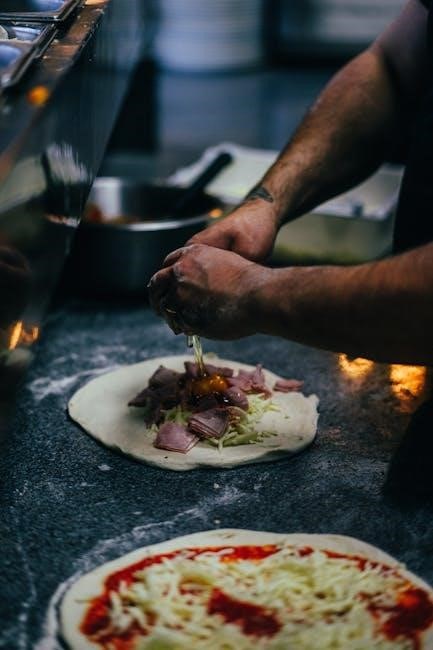
It’s presented as a ready-to-use solution, eliminating the need for extensive dough preparation. Nicole Russell’s demonstration with Appetito magazine highlights its usability for creating authentic homemade pizzas.
Like accessing updated R binaries, Birrittella offers a streamlined path to a desired outcome – in this case, delicious pizza – without requiring expert skill.
Key Ingredients & Their Role
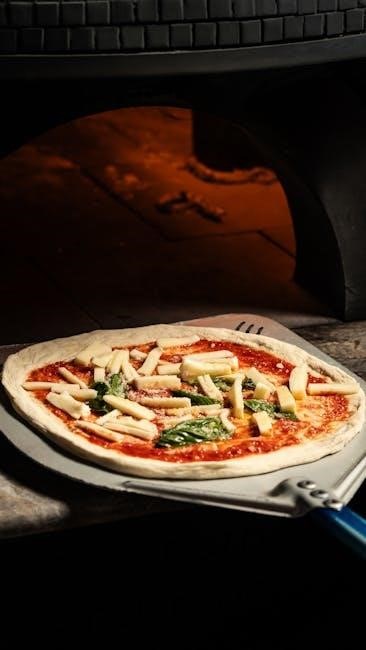
Birrittella Dough’s core ingredient is, surprisingly to some, ’00’ flour, known for its fine texture and ability to create a pliable, yet strong dough – crucial for stretching. Alongside flour, the recipe, as demonstrated by Nicole Russell, incorporates fresh mozzarella (6oz), pizza sauce (½ cup), and olive oil (1 tbsp).
These components work synergistically; the flour provides structure, mozzarella delivers a creamy texture, sauce adds flavor, and olive oil contributes to crust crispness.
Like reliable R package repositories, each ingredient plays a defined role in achieving a successful final product.
Preparing for Baking: Essential Tools
Successfully utilizing Birrittella dough requires a few key tools. While not as complex as managing R binaries or navigating CRAN mirrors, preparation is vital. You’ll need flour for dusting – ¼ cup is suggested – to prevent sticking during stretching. A pizza stone, steel, or baking pan are essential for achieving the desired crust;
Olive oil (1 tbsp) is needed for coating, and freshly shredded mozzarella (6oz) requires a grater.
Consider basil leaves for garnish, mirroring the focus on detail found in R package development and testing.
Thawing & Proofing the Dough
Birrittella dough benefits from careful thawing and proofing, much like the meticulous checks applied to R binaries by CRAN. Proper thawing is crucial for optimal texture. Allow the dough to thaw completely before attempting to stretch or shape it.
Proofing allows the dough to rise, developing flavor and a light, airy texture. While specific proofing times aren’t detailed, ensure the dough feels pliable and has increased in size.
This step, like installing R packages, requires patience for incredible results.
Proper Thawing Techniques
Birrittella dough requires a gentle thawing process to maintain its quality, similar to the careful testing of Windows binaries by developers like Uwe Ligges. The best method involves transferring the frozen dough to the refrigerator and allowing it to thaw slowly over 24-48 hours.
Avoid thawing at room temperature or using a microwave, as these methods can lead to uneven thawing and a compromised texture. Once thawed, the dough should be pliable but still cool to the touch, ready for proofing and shaping.
This patience mirrors the detailed R installation process.
Proofing for Optimal Texture
Proofing Birrittella dough is crucial for achieving a light and airy crust, much like the careful testing of macOS binaries before release. After thawing, place the dough in a lightly oiled bowl, turning to coat. Cover with plastic wrap and allow it to rise in a warm place for approximately 2-3 hours, or until doubled in size.
The ideal temperature is around 75-80°F (24-27°C). Proper proofing develops gluten structure and flavor. Like managing R packages, patience yields superior results. A well-proofed dough will stretch easily without tearing.
Stretching & Shaping the Dough
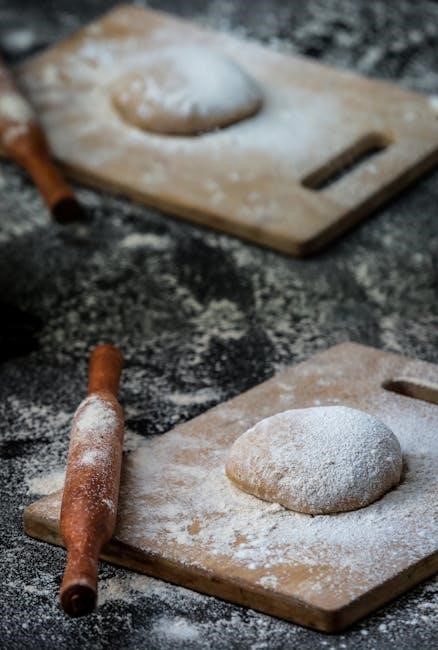
Stretching Birrittella dough requires a gentle touch. Avoid using a rolling pin, as it compresses the dough, hindering the airy texture. Instead, opt for hand-stretching, similar to the meticulous checks on Windows binaries for viruses. Begin by gently pressing the dough into a disc, then use your fingertips to create a slightly raised edge.
Gradually stretch the dough, rotating it as you go, until you reach your desired thickness. Be mindful of tears; a well-proofed dough will stretch more easily. Like the R GUI builds, practice makes perfect!
Hand-Stretching vs. Rolling
Hand-stretching Birrittella dough is highly recommended, mirroring the careful checks performed on R binaries. This method preserves the air pockets developed during proofing, resulting in a light and airy crust. Gently coaxing the dough outwards maintains its delicate structure, unlike the compression caused by a rolling pin.
Rolling, while faster, forces the air out, leading to a denser, tougher crust. Think of it like using older R releases – functional, but not optimal. Hand-stretching requires patience, but the superior texture is well worth the effort, much like seeking help with R package installation.
Achieving the Perfect Crust Thickness
Birrittella dough’s versatility allows for varied crust thicknesses, but consistency is key, similar to maintaining stable R builds. For a Neapolitan style, aim for a very thin center, about ¼ inch, with a slightly thicker, airy cornicione (edge). This requires gentle stretching and practice, like navigating R’s installation process.
New York style benefits from a medium thickness, around ⅜ inch, offering a balance of chew and crispness. Avoid overly thick crusts, as they can become dense. Remember, proper proofing and oven temperature are crucial, mirroring the importance of CRAN mirror selection.
Sauce Application & Toppings
Birrittella dough pairs beautifully with a simple, high-quality pizza sauce – approximately ½ cup, as suggested by Appetito. Avoid over-saucing, which can lead to a soggy crust, much like unstable R binaries. Spread the sauce evenly, leaving the cornicione bare.
Freshly shredded mozzarella (6oz) is a classic choice, but feel free to experiment. Don’t overload the toppings; less is often more. A few basil leaves add freshness. Consider the balance, similar to choosing the right CRAN mirror for optimal download speeds.
Choosing the Right Pizza Sauce
Selecting the ideal sauce is crucial when using Birrittella dough. A simple, flavorful sauce complements the dough’s quality, much like stable R binaries enhance data analysis. Avoid overly complex or sweet sauces that might mask the dough’s subtle flavors.
Opt for a sauce made with quality tomatoes, perhaps San Marzano, and minimal additives. Approximately ¼ cup to ½ cup is sufficient, as demonstrated by Appetito magazine. Remember, a lighter hand prevents a soggy pizza, mirroring the caution needed with downloaded executables.
Topping Guidelines for Birrittella Dough
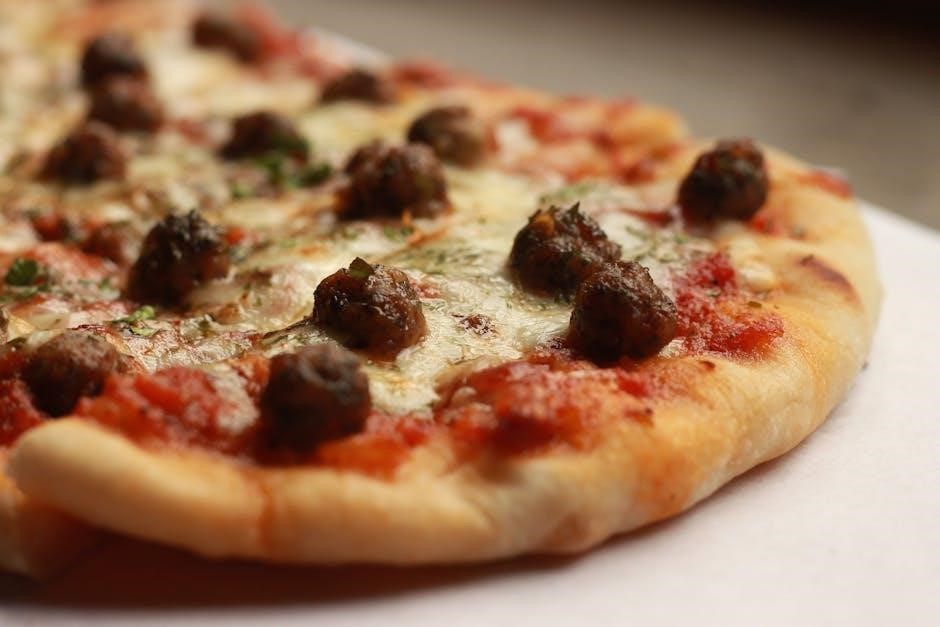
Birrittella dough, like well-maintained R binaries, provides a solid foundation – don’t overload it! As showcased by Nicole Russell, a balanced approach yields the best results. Freshly shredded mozzarella (around 6oz) is a classic choice, but avoid excessive amounts that can lead to a soggy crust.
Consider adding fresh basil leaves for aroma and flavor. Remember the Pizza Making Forum’s emphasis on quality ingredients. Keep toppings relatively sparse, allowing the dough’s flavor to shine, similar to choosing a nearby CRAN mirror for faster downloads.
Baking Instructions: Oven Temperature & Time
Birrittella dough benefits from high heat, much like ensuring stable R builds require thorough checks. While specific temperatures aren’t detailed in the provided text, aiming for a hot oven is key. Consider utilizing a pizza stone, steel, or baking pan – each impacting the bake.
Recommended baking times aren’t explicitly stated, but monitoring is crucial. Observe the crust’s color and the cheese’s melt. Remember, like testing macOS binaries, experimentation is often necessary to achieve optimal results. A crispy crust is the goal, mirroring a well-maintained R environment.
Optimal Oven Temperature Settings
Birrittella dough, like reliable R binaries, requires a precise environment to flourish. While the provided information doesn’t specify exact temperatures, achieving a high-heat bake is paramount. Aim for the highest setting your oven allows, ideally 500-550°F (260-288°C), similar to the scrutiny applied to CRAN package checks.
Preheating is essential, especially when using a pizza stone or steel. This ensures even cooking and a crispy crust. Remember, consistent temperature, much like stable R builds, is vital for predictable and delicious results. Monitor closely and adjust as needed.
Recommended Baking Times
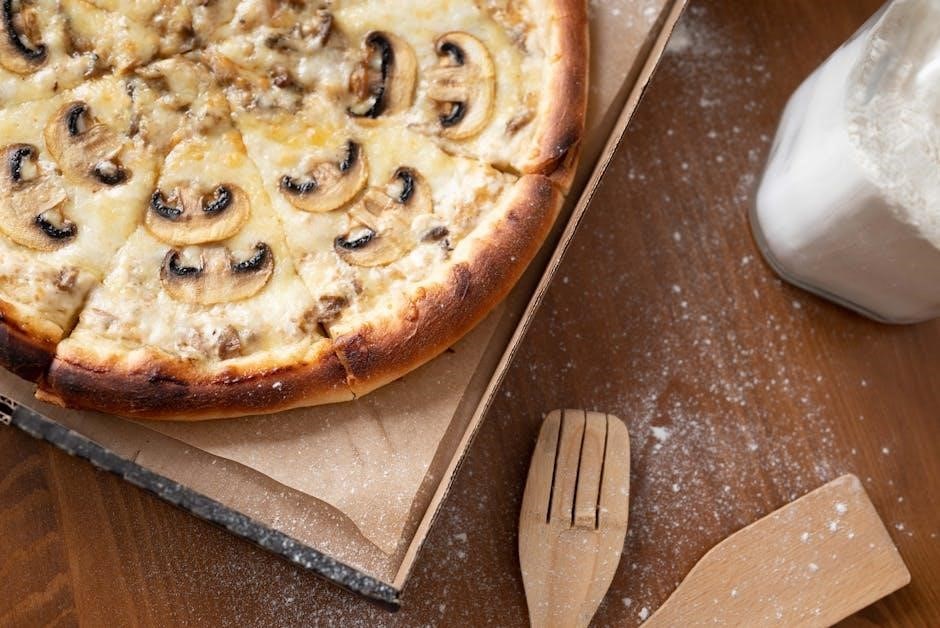
Birrittella dough baking times, like R package updates, depend on several factors. Generally, expect a baking duration of 8-12 minutes at high temperatures (500-550°F / 260-288°C). However, this is a guideline, mirroring the beta testing phases of macOS binaries.
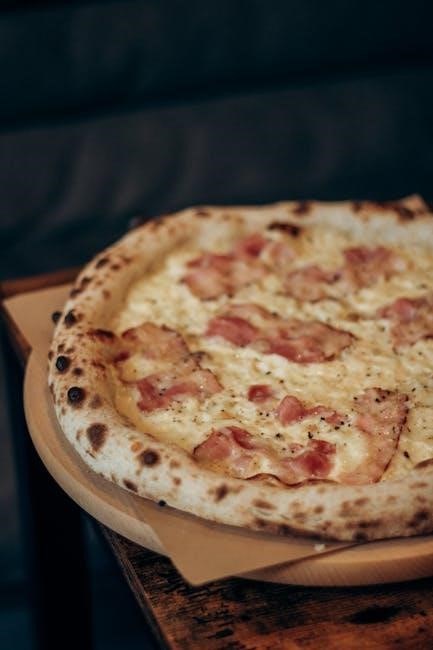
Observe the crust – it should be golden brown and slightly charred in spots. The cheese should be melted and bubbly. Baking time will vary based on your oven, toppings, and chosen baking method (stone, steel, or pan). Consistent monitoring, akin to checking R mirrors, is key to perfection.
Baking Methods: Stone, Steel, or Pan
Birrittella dough adapts well to various baking surfaces, much like R’s compatibility across operating systems. A pizza stone provides excellent heat retention, yielding a crispy crust – preheat it for at least 30 minutes. Pizza steel heats even faster, offering similar results.
For convenience, a baking pan works, though the crust won’t be quite as crisp. Lightly oil the pan to prevent sticking, similar to precautions with downloaded executables. Experiment to find your preferred method, mirroring the exploration of R’s functionalities.
Using a Pizza Stone
Pizza stones are ideal for Birrittella dough, promoting even heat distribution and a delightfully crispy crust. Crucially, preheat the stone in your oven for a minimum of 30 minutes at the highest possible temperature, mirroring the lengthy checks CRAN performs on binaries.
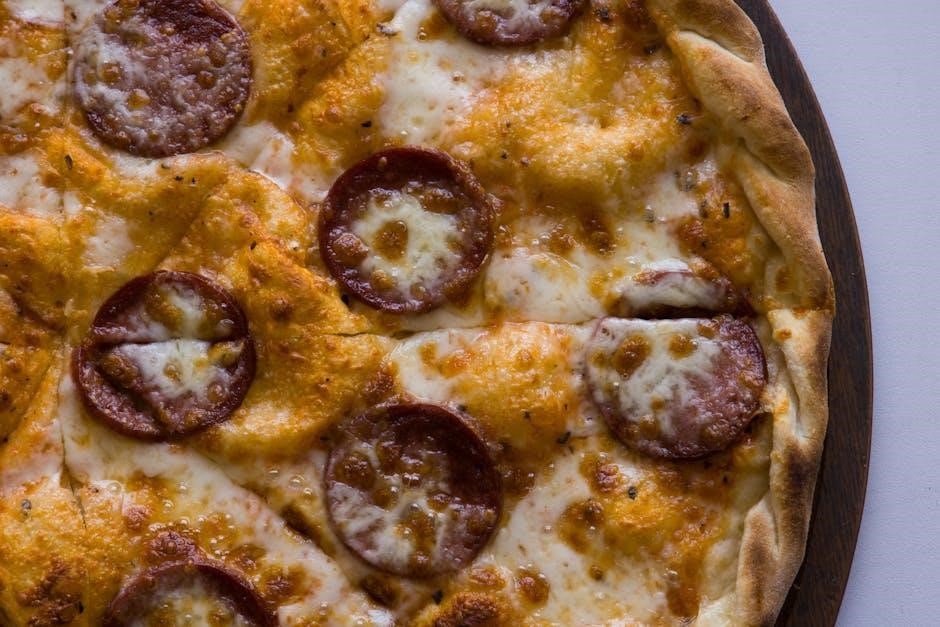
Carefully transfer the stretched dough onto the hot stone – a pizza peel dusted with flour is essential; Bake until golden brown, observing the crust’s color. Like R’s detailed manuals, patience and proper preparation are key to success!
Using a Pizza Steel
Pizza steel offers superior heat retention compared to stones, resulting in an even crispier crust for your Birrittella dough. Preheat the steel in your oven for at least 45-60 minutes at the highest temperature setting, similar to testing macOS binaries before release.
Transfer the stretched dough onto the preheated steel using a pizza peel. Monitor closely, as steel heats faster. Baking with steel demands attention, much like package developers contacting Uwe Ligges directly with questions.
Using a Baking Pan
Birrittella dough can be successfully baked in a standard baking pan, though it won’t achieve the same level of crispness as with a stone or steel. Lightly oil the pan to prevent sticking, similar to precautions needed with downloaded executables.
Preheat your oven and place the stretched dough directly into the pan. Baking times may be slightly longer; check for a golden-brown crust. This method is a good starting point, like exploring R-patched builds, before investing in specialized equipment.
Post-Baking: Cooling & Serving
Allowing your Birrittella pizza to cool slightly before slicing is crucial for a crisper crust, much like checking CRAN binaries for viruses before use. Transfer the baked pizza to a cutting board.
A brief cooling period allows the cheese to set and prevents toppings from sliding off. Serving suggestions include fresh basil leaves, as highlighted in the Appetito demonstration. Pair with your favorite beverages and enjoy the fruits of your baking labor – a truly incredible pizza!
Cooling for a Crispier Crust
Proper cooling is essential for achieving maximum crispness with Birrittella dough, similar to the careful checks performed on R binaries by CRAN. Immediately after removing the pizza from the oven – whether it’s baked on a stone, steel, or pan – transfer it to a wire rack.
This allows air to circulate underneath, preventing the crust from becoming soggy. Resist the urge to cut into it right away; a short cooling period firms up the structure and enhances the delightful crunch.
Serving Suggestions & Pairings
Birrittella dough’s versatility shines through in diverse serving options, much like the R GUI’s adaptability on macOS. Beyond classic pizzas, explore calzones filled with your favorite ingredients. Fresh basil leaves, as highlighted in the Appetito recipe, elevate the flavor profile.
Pair your Birrittella creation with a crisp Italian salad and a light, refreshing beverage. Consider a Peroni or Moretti beer, or a dry Italian white wine to complement the pizza’s flavors. Enjoy the fruits of your baking labor!
Troubleshooting Common Issues
Birrittella dough, like any baking endeavor, can present challenges. If the dough tears or sticks during stretching, lightly flour your work surface and hands. Remember the importance of proper proofing, akin to testing R binaries for viruses – crucial for success!
A crust lacking crispness might indicate insufficient oven temperature or baking time. Utilize a pizza stone or steel for enhanced heat retention. Refer to online forums for community insights, mirroring the R FAQ for assistance.
Dough Tears & Sticking
Birrittella dough, particularly when hand-stretched, can sometimes tear or stubbornly stick to surfaces; This often stems from insufficient flour on your work area and hands. Generously dusting prevents adhesion, much like CRAN checks binaries for issues.
Avoid aggressive stretching; gentle manipulation is key. If sticking persists, let the dough rest briefly, allowing gluten to relax. Remember, patience mirrors the detailed R installation process. A lightly oiled surface can also help, ensuring a smooth, tear-free experience.
Crust Not Crispy Enough
Achieving a truly crispy crust with Birrittella dough requires attention to baking method and temperature. Utilizing a pizza stone or steel, like the daily builds for macOS, significantly improves heat retention and transfer. Ensure your oven reaches optimal settings – higher temperatures are crucial.
Avoid overcrowding the oven, mimicking CRAN’s mirror selection for speed. Preheating is vital, and consider a brief broil at the end for extra crispness. Proper cooling post-baking, as with R binaries, also prevents sogginess.
Resources & Further Learning
For deeper insights into mastering Birrittella dough, explore online pizza-making forums, similar to the CRAN archive network, where enthusiasts share tips and troubleshoot issues. Communities like Pizza Making Forum offer valuable discussions on ingredients and techniques.
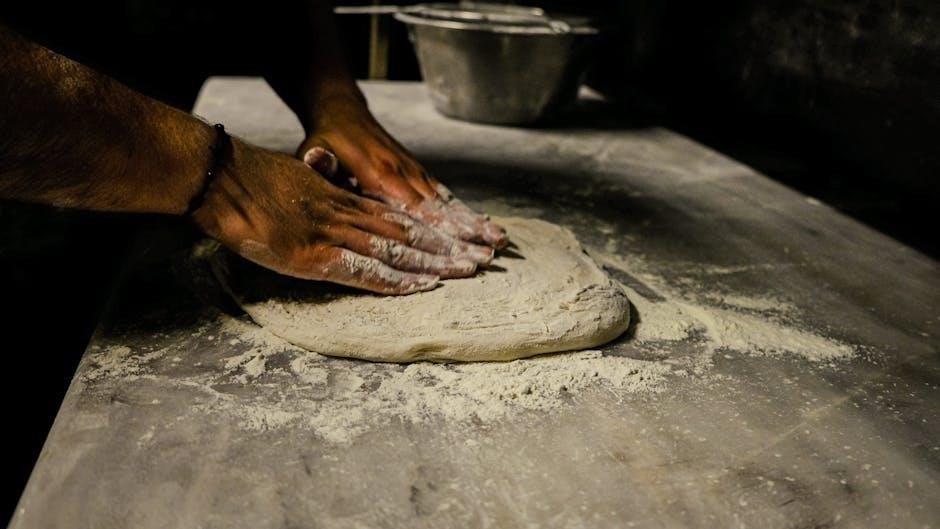
Appetito magazine, featuring Nicole Russell’s demonstrations, provides visual guidance. Regularly check for updated information, akin to R-patched builds, as techniques evolve. Don’t hesitate to contact developers, like Uwe Ligges, with specific questions, and consult the R FAQ for analogous problem-solving approaches.
Online Forums & Communities
Engage with fellow pizza aficionados on platforms like the Pizza Making Forum, where discussions center around Birrittella dough and its nuances. These communities, mirroring the collaborative spirit of CRAN, offer a space to exchange experiences and refine your baking skills.
Share your creations, ask questions about troubleshooting – like addressing dough tears – and learn from others’ successes. Explore resources similar to R installation guides for detailed advice. Active participation fosters continuous learning and unlocks the full potential of this versatile dough.